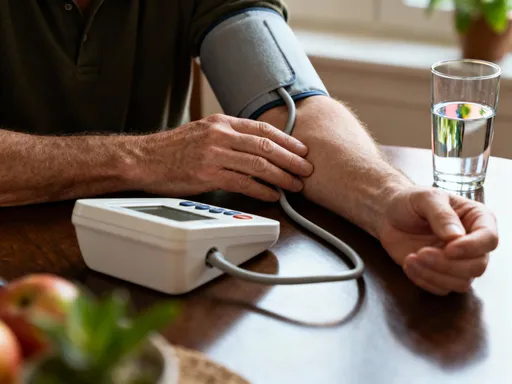
You don’t wake up one day old—you drift there, one unnoticed habit at a time. I used to think aging was inevitable, until I realized body maintenance isn’t vanity—it’s survival. Science shows that how we move, eat, and rest today shapes our health decades ahead. This isn’t about looking younger. It’s about staying strong, sharp, and resilient. What if the real anti-aging secret isn’t a cream—but consistency? The body is not a disposable vessel; it’s the only home we’ll ever truly live in. When we treat it with daily care, time doesn’t stop—but it slows. We gain not just years, but years lived with energy, clarity, and independence. The science is clear: aging is not solely a number on a calendar. It’s a reflection of how we’ve treated our cells, our systems, and our selves. And the good news? It’s never too late to start building a future where vitality lasts longer than we ever thought possible.
The Silent Accelerator: How Daily Habits Shape Biological Aging
Most people assume aging is a fixed process dictated by genetics, but research in longevity science reveals a more empowering truth: lifestyle choices play a far greater role than DNA in how we age. The distinction between chronological age—simply the number of years lived—and biological age—the actual condition of our cells and systems—is now well-established. Biological age can be younger or older than chronological age, depending on daily behaviors. Studies from institutions like the Buck Institute for Research on Aging show that factors such as poor sleep, chronic stress, and physical inactivity accelerate cellular aging through measurable mechanisms like telomere shortening and chronic inflammation. Telomeres, the protective caps at the ends of chromosomes, naturally shorten with each cell division. However, lifestyle stressors can dramatically speed up this process, leading to premature cell death and increased risk for age-related diseases.
Consider two women both aged 55. One maintains regular physical activity, eats whole foods, sleeps well, and manages stress. The other leads a sedentary life, consumes processed meals, sleeps irregularly, and experiences constant tension. The first may have the biological age of 48, while the second could register as 63. This gap isn’t theoretical—it’s detectable through biomarkers like blood pressure, insulin sensitivity, and inflammatory markers. The body keeps score, even when we’re not paying attention. Small, repeated choices—choosing stairs over elevators, drinking water instead of sugary beverages, taking short walks after meals—accumulate into profound long-term effects. The takeaway is not fear, but agency. Aging is not a passive descent. It is shaped daily by what we do—and what we don’t do.
Moreover, inflammation, often called “inflammaging” when chronic, is now recognized as a key driver of aging. Unlike acute inflammation, which helps the body heal, chronic low-grade inflammation damages tissues over time and is linked to heart disease, cognitive decline, and joint deterioration. Diet plays a major role here: highly processed foods, excess sugar, and trans fats promote inflammation, while whole plant foods, omega-3 fatty acids, and antioxidants help calm it. Movement also reduces inflammatory markers, as does quality sleep. The body is not designed for constant stress, poor fuel, and inactivity. When these become the norm, the biological clock ticks faster. But when we align our habits with our biology, we send a different signal—one of care, balance, and preservation.
Move It or Lose It: Why Movement Is Non-Negotiable for Longevity
If there were a single, scientifically proven intervention to delay aging, it would be regular physical activity. Unlike experimental drugs or expensive supplements, movement is accessible, free, and profoundly effective. The phrase “move it or lose it” is not a warning—it’s a biological fact. After age 30, adults lose 3% to 5% of muscle mass per decade, a condition known as sarcopenia. This decline accelerates after 60, leading to frailty, reduced mobility, and increased risk of falls. But muscle is not just about strength; it’s metabolic armor. Muscle tissue burns more calories at rest than fat, helps regulate blood sugar, and supports joint stability. Preserving muscle is one of the most powerful ways to maintain independence and energy as we age.
Strength training is especially crucial. Lifting weights—even light ones—signals the body to maintain and build muscle. Research from the National Institute on Aging shows that older adults who engage in resistance training twice a week can increase muscle mass, improve balance, and enhance cognitive function. You don’t need a gym to start. Bodyweight exercises like squats, wall push-ups, and step-ups can be done at home. Resistance bands are affordable and portable. The goal is consistency, not intensity. Even 15 to 20 minutes, two to three times a week, can make a measurable difference over time. The key is progressive overload—gradually increasing resistance or repetitions—to keep challenging the body.
Aerobic exercise is equally important. Activities like brisk walking, cycling, or swimming improve cardiovascular health, increase lung capacity, and boost brain function. The brain benefits from movement through increased blood flow and the release of neurotrophic factors that support neuron growth. A study published in the journal Neurology found that women who walked regularly had better memory and slower cognitive decline over time. Flexibility and balance work—such as yoga or tai chi—round out a complete routine. These practices improve range of motion, reduce stiffness, and prevent injuries. They also promote mindfulness, linking physical movement with mental calm.
For those with desk-bound lives, integrating movement is about strategy, not time. Standing up every 30 minutes, taking walking meetings, parking farther from entrances, or doing calf raises while brushing teeth—these micro-movements add up. The danger of sedentary behavior is not just inactivity, but in uninterrupted sitting. Breaking up long periods of sitting with even brief movement helps regulate blood sugar and circulation. The message is clear: movement is not a luxury or a punishment. It is a daily necessity, as essential as breathing. When we move regularly, we don’t just slow aging—we enhance the quality of every year we live.
Fueling Resilience: The Plate as a Prevention Tool
Nutrition is not about diets that come and go. It’s about creating a sustainable eating pattern that supports long-term health and resilience. The food we eat becomes the building blocks of our cells, hormones, and immune system. What we choose daily shapes our energy levels, mood, and risk for chronic disease. Instead of chasing the latest trend or “miracle” food, the focus should be on consistency, balance, and whole foods. A plate rich in vegetables, fruits, whole grains, legumes, lean proteins, and healthy fats is one of the most powerful tools we have to slow biological aging.
Blood sugar regulation is a cornerstone of metabolic health. Spikes and crashes in glucose levels lead to fatigue, cravings, and over time, insulin resistance—a precursor to type 2 diabetes and inflammation. Eating balanced meals with fiber, protein, and healthy fats helps stabilize blood sugar. For example, choosing oatmeal with nuts and berries instead of sugary cereal, or having a salad with grilled chicken and olive oil dressing rather than a refined carbohydrate-heavy meal, keeps energy steady. Fiber, especially from plants, also feeds the gut microbiome, the community of trillions of bacteria in the digestive tract. A diverse and balanced microbiome is linked to better immunity, mood regulation, and reduced inflammation.
Antioxidants, found naturally in colorful fruits and vegetables, protect cells from oxidative stress—a natural byproduct of metabolism that increases with poor diet, pollution, and stress. Foods like blueberries, spinach, sweet potatoes, and nuts provide antioxidants like vitamin C, vitamin E, and polyphenols without the risks associated with high-dose supplements. Hydration is another often-overlooked factor. Water supports every bodily function, from digestion to temperature regulation. Mild dehydration can cause headaches, fatigue, and constipation, especially in older adults whose thirst signals may weaken with age.
The goal is not perfection but progress. Occasional treats are part of a balanced life. What matters most is the overall pattern. Eating mostly whole, minimally processed foods creates a foundation of stability. It’s not about eliminating all sugar or carbs, but about choosing quality over convenience. Cooking at home, reading labels, and planning meals can make healthy eating easier and more enjoyable. When food is seen not as a source of guilt but as fuel for a long, vibrant life, the relationship with eating transforms. The plate becomes a tool of prevention—one bite at a time.
Sleep: The Body’s Nightly Reset Button
Sleep is not passive downtime. It is one of the most active and essential processes for health and longevity. During sleep, the body repairs tissues, consolidates memories, balances hormones, and clears waste from the brain through the glymphatic system—a process critical for preventing cognitive decline. Yet, millions of adults, especially women in midlife, struggle with sleep due to stress, hormonal changes, or poor habits. Chronic sleep deprivation—defined as consistently getting less than seven hours per night—has been linked to a higher risk of heart disease, obesity, depression, and Alzheimer’s disease.
Hormonal balance depends heavily on sleep. Growth hormone, which supports tissue repair and muscle maintenance, is primarily released during deep sleep. Cortisol, the stress hormone, should naturally dip at night and rise in the morning. But poor sleep disrupts this rhythm, leading to elevated cortisol levels that promote fat storage, inflammation, and anxiety. Melatonin, the hormone that regulates sleep-wake cycles, is suppressed by blue light from screens. This is why using phones, tablets, or TVs before bed can make it harder to fall asleep and reduce sleep quality.
Improving sleep hygiene doesn’t require drastic changes. Simple, sustainable shifts can make a big difference. Going to bed and waking up at the same time every day—even on weekends—helps regulate the body’s internal clock. Creating a bedtime routine—such as reading a book, taking a warm bath, or practicing gentle stretching—signals the body that it’s time to wind down. Reducing screen time at least an hour before bed, using dim lighting, and keeping the bedroom cool, dark, and quiet support deeper sleep. If nighttime awakenings occur, avoiding checking the clock can reduce anxiety about not sleeping.
For those experiencing menopause-related sleep disruptions, managing hot flashes and night sweats may require additional strategies, such as wearing breathable clothing, using a fan, or discussing options with a healthcare provider. But even in the face of hormonal changes, good sleep habits can improve rest. The key is consistency. Just as poor sleep accumulates damage over time, so too does quality sleep build resilience. Each night of restorative sleep is a deposit into the body’s long-term health account. When we prioritize sleep, we are not being lazy—we are investing in our future vitality.
Stress, Not Time, Ages You Fastest
Of all the factors that accelerate aging, chronic stress may be the most insidious. Unlike a broken bone or a fever, stress doesn’t always announce itself with clear symptoms. Yet, its effects are profound. When the body is under constant stress, it remains in a state of heightened alert, flooding the system with cortisol and adrenaline. Over time, this “fight-or-flight” response wears down the body’s systems. Elevated cortisol levels impair immune function, increase blood pressure, promote fat storage—especially around the abdomen—and damage brain cells involved in memory and decision-making.
Research from Yale School of Medicine has shown that chronic stress can shorten telomeres, effectively aging cells prematurely. Women who reported high levels of psychological stress had telomeres comparable to those of women a decade older. But stress is not inevitable. While we can’t eliminate all sources of pressure—work, family responsibilities, financial concerns—we can change how we respond to them. Resilience is not about avoiding stress, but about building the capacity to recover from it.
Mindfulness practices, such as focused breathing, meditation, or body scans, have been shown to reduce cortisol levels and improve emotional regulation. You don’t need to meditate for an hour a day to benefit. Even two to five minutes of deep, intentional breathing—inhaling slowly through the nose, holding briefly, and exhaling fully—can activate the parasympathetic nervous system, which calms the body. These micro-moments of calm, repeated throughout the day, can reset the nervous system and prevent stress from accumulating.
Setting boundaries is another powerful tool. Saying no to extra commitments, protecting personal time, and delegating tasks are not signs of weakness—they are acts of self-preservation. Journaling, talking with a trusted friend, or engaging in creative activities can also provide emotional release. The goal is not to eliminate all stress, but to create balance. When stress is met with recovery, the body stays in harmony. When it’s constant, the body pays the price. By managing stress proactively, we protect not just our mental health, but our physical longevity.
The Power of Early Signals: Listening Before the Crisis
Most people wait until something is wrong before they take action. But true body maintenance means paying attention to subtle cues long before they become serious problems. Fatigue that doesn’t go away with rest, persistent stiffness, changes in digestion, mood swings, or difficulty concentrating—are not just “part of getting older.” They are signals. The body speaks in whispers before it shouts. Ignoring these early warnings can lead to preventable conditions like diabetes, heart disease, or osteoporosis.
Proactive awareness begins with regular self-check-ins. How do you feel most days? Do you wake up refreshed? Can you climb stairs without getting winded? Can you bend down to tie your shoes? These simple questions reveal a lot about functional health. Beyond self-observation, routine medical check-ups are essential. Blood work can detect early signs of inflammation, hormonal imbalances, or nutrient deficiencies. Bone density scans, vision and hearing tests, and mobility assessments provide valuable data about aging trajectories.
Women, especially in their 40s and 50s, often prioritize everyone else’s health over their own. But caring for the body is not selfish—it’s necessary. Addressing small issues early—like low vitamin D, mildly elevated blood pressure, or early joint stiffness—can prevent larger problems later. A healthcare provider can help interpret results and recommend lifestyle adjustments or treatments when needed. The goal is not to chase perfect numbers, but to understand trends and take informed action.
Listening to the body also means honoring its need for rest, nourishment, and joy. When we treat symptoms as messages rather than nuisances, we shift from reactive to preventive care. This mindset change is powerful. It turns health from a crisis management system into a lifelong practice of respect and attention. The body is not a machine to be pushed until it breaks. It is a living, responsive system that thrives on care and awareness.
Building a Lifetime Framework: Small Rules, Big Results
Sustainability beats intensity every time. Many people start health journeys with enthusiasm—rigid diets, extreme workouts, strict schedules—only to burn out within weeks. The most effective approach is not perfection, but consistency. The goal is not to do everything perfectly, but to do a few key things regularly. This is where the concept of “body contracts” comes in—personalized, simple commitments that support long-term vitality.
A body contract might include daily non-negotiables like drinking a glass of water upon waking, taking a 10-minute walk after dinner, doing three minutes of deep breathing before bed, or eating a vegetable with every meal. These are not grand gestures, but small, repeatable actions that build resilience over time. The power lies in their accumulation. Like compound interest, small habits grow into significant results when practiced consistently.
Flexibility is also key. Life changes—schedules shift, energy levels vary, health needs evolve. A rigid plan fails when life gets busy. But a flexible framework allows for adaptation. On low-energy days, a five-minute stretch may be enough. On busy days, a nutritious smoothie can replace a full meal. The goal is progress, not perfection. When the focus is on showing up for yourself, not meeting impossible standards, long-term success becomes possible.
Finally, this journey is not about chasing youth. It’s about honoring the body you have and giving it what it needs to endure, adapt, and thrive across decades. It’s about making choices today that allow you to play with grandchildren, travel, garden, or simply enjoy daily life with strength and ease. Time may pass, but how you feel within it is largely within your control. When you treat your body like a lifelong home—cleaning it, maintaining it, and respecting it—you don’t stop aging. You age better. And in that, you gain something far more valuable than youth: a life lived fully, with dignity, energy, and joy.