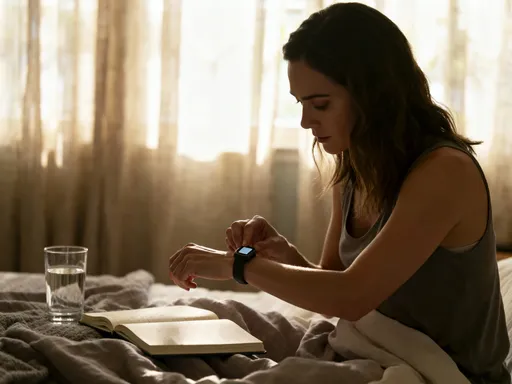
Living through constant fatigue and never-ending to-do lists, I used to think "me time" was just a luxury. But when I started paying attention to my sleep patterns, energy levels, and daily rhythms—not with a doctor’s orders, but through simple apps on my phone—something shifted. I wasn’t just collecting data; I was finally *understanding* myself. This isn’t about perfection—it’s about progress, peace, and finally feeling in control without burning out. What began as a small curiosity turned into a quiet revolution in how I show up for my family, my work, and most importantly, for myself.
The Moment I Stopped Ignoring My Body’s Signals
For years, I wore exhaustion like a badge of honor. If I was tired, it meant I was doing enough. If I pushed through a headache or skipped lunch to finish a project, I told myself I was strong. I believed rest was for people who didn’t have responsibilities—people who didn’t have kids to feed, laundry piling up, or emails demanding answers. But strength isn’t pushing through pain. Strength is knowing when to pause. And I didn’t learn that from a motivational quote or a wellness guru. I learned it from my own data.
It started with a missed moment—one I’ll never get back. My daughter had her first school play, a sweet little thing with handmade costumes and shaky lines. I promised I’d be there. But the night before, I stayed up late answering work emails, then woke up feeling like I’d been hit by a truck. By the time I got to the auditorium, it was over. She didn’t cry. She just looked at me with those big, understanding eyes and said, "It’s okay, Mom. You were busy." That “okay” broke me. Because it wasn’t okay. I wasn’t being strong—I was being reckless. I was sacrificing what mattered most for the illusion of productivity.
That week, a friend gently suggested I try a simple health tracker. Not one of those complicated medical devices, just a basic app on my phone that could log sleep, mood, and energy levels. She said, "You don’t need to count every step. Just start listening." So I did. I began tracking when I went to bed, how I felt when I woke up, and when my energy dipped during the day. I noted stress levels after meetings, after screen time, after arguments with my partner. And within days, patterns emerged like footprints in the sand.
I saw that every time I used my phone past 8 PM, I woke up groggy. I noticed that skipping lunch didn’t save time—it just guaranteed a 3 PM crash so deep I’d end up scrolling mindlessly, unable to focus. The data didn’t judge me. It didn’t shame me. It simply showed me the truth: my body was sending signals, and I’d spent years turning down the volume. For the first time, I wasn’t guessing how I felt. I was seeing it, in real time. And that clarity was the first step toward change.
From Overwhelm to Clarity: Organizing Life Around Real Energy
Before tracking, I lived by the clock, not by how I felt. I scheduled intense work sessions at 7 PM because that’s when the house was quiet, not realizing my brain was already fried from the day. I tried to have deep conversations with my husband after dinner, only to zone out halfway through. I thought if I just pushed harder, I could outwork my fatigue. But the data told a different story.
My energy wasn’t steady. It flowed in waves—high in the morning, dipping after lunch, rising slightly in the late afternoon, then crashing after dinner. Once I saw this pattern, I stopped fighting it. Instead, I started working with it. I moved my most demanding tasks—writing, planning, budgeting—to the mornings when my focus was sharpest. Afternoons became for lighter work: answering emails, folding laundry, or taking a walk while listening to a podcast. I stopped scheduling important calls after 7 PM because the data showed my mental clarity dropped by 40% after dinner.
This wasn’t about being lazy. It was about being smart. It was about respecting my body’s natural rhythm instead of forcing it to fit some unrealistic ideal of productivity. I used to think a full calendar meant I was doing well. Now I know that a well-paced day—one that honors my energy—is what truly matters. And the shift was immediate. I made fewer mistakes at work. I stopped forgetting appointments. I had more patience with my kids. And for the first time in years, I felt like I was actually present in my own life.
One of the biggest changes was how I approached my to-do list. Instead of cramming everything into one day, I started assigning tasks based on energy level. High-energy tasks got morning slots. Low-energy tasks got afternoon. And I gave myself permission to leave some things for tomorrow—without guilt. The data helped me see that rest wasn’t the enemy of productivity. It was its foundation.
Family Time That Actually Feels Present
I used to be physically in the same room as my family but mentally miles away. I’d sit on the couch while my kids played, scrolling through my phone, half-watching a show, half-checking emails. I thought I was multitasking. But really, I was missing out. I wasn’t present. And my kids knew it.
One evening, my son looked up from his coloring book and said, "Mom, you’re always on your phone." I wanted to defend myself—"I’m just checking one thing," "I’m working," "I’ll be done in a minute." But the truth was, I wasn’t done. Not really. I was always on the edge of the next task, the next message, the next worry. That moment stayed with me. I didn’t want my kids to remember me as the mom who was always distracted.
So I used my tracker to figure out what actually recharged me. I logged moments of calm—when I felt truly rested, even if just for a few minutes. I discovered that ten quiet minutes with a cup of tea, no screens, no noise, made a difference. A five-minute breathing exercise before dinner helped me reset. A short walk around the block after work cleared my head. These weren’t grand gestures. They were small, intentional pauses.
I started protecting those moments like I would a meeting with my boss. No exceptions. And slowly, something shifted. I became more emotionally available. I laughed more. I listened better. I stopped reacting to small frustrations with big reactions. My daughter started telling me stories again—long, detailed ones about her day, her dreams, her worries. And I actually heard them.
One night, as we tucked her in, she said, "I like it when you sit with me now." That simple sentence meant more than any productivity hack ever could. The data didn’t just help me manage my time. It helped me reclaim my presence. And that, more than anything, changed our family life.
Small Insights, Big Shifts in Daily Choices
Sometimes, the most powerful changes come from the smallest observations. One week, my tracker showed unusually low heart rate variability—a sign of high stress. I felt fine, or so I thought. But the data said otherwise. I couldn’t figure out why until I started reviewing my daily notes. Every low day followed a meeting with the same colleague—a person who often interrupted, dismissed ideas, and created tension in the room.
That insight changed everything. I wasn’t imagining the stress. It was real, and it was affecting my body. So I changed my approach. I started doing a two-minute meditation before those meetings. I set a clear intention: "Stay calm. Listen. Respond, don’t react." I even adjusted my seating to face the window, which helped me feel more grounded. Over time, those meetings became less draining. My HRV improved. And I felt more in control.
Another time, my hydration tracking revealed a shocking truth: by 3 PM, I’d only had one glass of water. No wonder I felt sluggish. I wasn’t dehydrated because I forgot to drink—I was dehydrated because I never set myself up to succeed. So I bought a simple water bottle with time markers. I filled it first thing in the morning and kept it on my desk. No willpower needed. Just a small change in my environment. Within days, I was hitting my hydration goals without thinking about it.
These weren’t dramatic interventions. No expensive supplements, no extreme diets, no 5 AM workouts. Just small, data-informed tweaks that added up. I stopped blaming myself for being “weak” or “unmotivated.” Instead, I started asking, "What’s really going on?" And the answers were always more helpful than guilt.
Building Routines That Stick—Without Willpower
We’ve all been there—starting a new habit with excitement, only to give up a week later. I tried meditation apps, journaling, stretching, drinking more water. I wanted to be better. But motivation faded. Life got busy. And I ended up feeling like a failure.
What changed was understanding this: willpower doesn’t build habits. Consistency does. And consistency comes from design, not discipline. My tracker helped me see when I was most likely to succeed. For example, I always checked my phone right after brushing my teeth in the morning. That tiny habit was rock solid. So I paired it with something new: a 60-second stretch while I scrolled. No extra time needed. Just piggybacking on what I already did.
The tracker confirmed it—my morning energy improved within a week. So I kept going. I started doing a gratitude reflection while I waited for my coffee to brew. I put my walking shoes by the door so I’d see them after dinner. I stopped trying to “be disciplined” and started designing my day to make good choices easy.
Over time, these micro-routines became invisible. I didn’t have to remember to stretch. It just happened. I didn’t have to force myself to drink water. The bottle was there. I didn’t have to debate whether to meditate. It was part of my wind-down routine. The data didn’t replace these habits. It helped me build them in a way that fit my real life—not some idealized version of it.
When Technology Steps Back—And Life Steps Forward
Here’s the thing I didn’t expect: the goal wasn’t to become dependent on technology. It was to become independent from it. After about three months of consistent tracking, I noticed something surprising. I didn’t need the alerts anymore. I didn’t need to check my sleep score every morning. I could feel when I’d slept well. I could sense when I was getting stressed. I knew when I needed to pause.
The app had done its job. It had taught me to tune in. It had rebuilt my intuition, which years of ignoring my body had worn down. Now, I check my data once a week—just a quick glance to stay aware. But most days, I don’t need it. I trust myself again.
That’s the real gift of health tracking: it’s not about numbers. It’s about awareness. It’s about reconnecting with your body, your emotions, your rhythms. The technology didn’t make me healthier. It helped me remember how to listen. And once I started listening, I didn’t need the tool as much. It stepped back, and life—real, messy, beautiful life—took its place.
A Calmer, Clearer Life—One Data Point at a Time
Looking back, this journey wasn’t about optimizing every minute or chasing some perfect version of myself. It was about reclaiming presence. It was about feeling like I was truly living my days, not just surviving them. The data didn’t make me perfect. But it made me kinder—to myself, to my family, to my time.
I move through my days now with less friction. I make better choices without overthinking. I have more energy, not because I’m doing more, but because I’m doing less of what drains me. My relationships are deeper because I’m actually there—mentally, emotionally, fully.
This isn’t a story about technology. It’s a story about humanity. It’s about how a simple act—paying attention—can transform the way we live. You don’t need a fancy device or a complicated app. You just need curiosity. You need willingness. You need to believe that your well-being matters.
If you’re feeling overwhelmed, if you’re running on empty, if you’re missing moments with the people you love—know this: change is possible. Start small. Notice how you feel after lunch. Track your sleep for a week. See what your body is trying to tell you. You don’t have to be perfect. You just have to be present. And sometimes, the most powerful tool we have is the one we already carry—the ability to listen, to learn, and to grow, one quiet moment at a time.