High blood pressure crept up on me quietly—no dramatic symptoms, just a routine check that changed everything. I felt fine, but my numbers told a different story. That wake-up call pushed me into action. What I discovered wasn’t a quick fix, but a systematic approach blending daily habits, mindset shifts, and consistent tracking. This is how I took control, step by step, and why I wish I’d started sooner.
The Silent Alarm: Recognizing the Hidden Threat
It happened during an annual physical—nothing out of the ordinary, just another box to check. The nurse wrapped the cuff around my arm, pressed a button, and then paused. Her expression didn’t change, but she rechecked. The second reading was nearly the same: 150 over 95. “You might want to talk to the doctor about that,” she said calmly. I was stunned. I didn’t feel unwell. I wasn’t dizzy, short of breath, or fatigued. In fact, I considered myself fairly healthy—someone who walked regularly and avoided fast food. Yet there it was: a number that signaled something serious was happening inside my body, silently and without warning.
This experience is more common than many realize. High blood pressure, also known as hypertension, is often called the “silent killer” because it typically presents no obvious symptoms. Unlike a fever or a broken bone, there’s no immediate pain or discomfort to signal that something is wrong. People can live with elevated blood pressure for years, even decades, without knowing it. According to the American Heart Association, nearly half of all adults in the United States have high blood pressure, and many are unaware of their condition. This lack of awareness is dangerous because untreated hypertension significantly increases the risk of heart disease, stroke, kidney damage, and cognitive decline.
The danger lies in the constant strain high pressure places on the cardiovascular system. Every time the heart pumps blood, it sends a wave of force through the arteries. When that force is consistently too high, it causes microscopic injuries to the blood vessel walls. Over time, these injuries lead to inflammation, plaque buildup, and reduced elasticity—essentially, the arteries become stiffer and narrower. This forces the heart to work harder, weakening it over time. The brain, kidneys, and eyes are also vulnerable; small blood vessels in these organs can be damaged by prolonged high pressure, leading to complications such as memory issues, kidney dysfunction, or vision loss.
What makes hypertension especially insidious is the false sense of security it allows. Because people often feel fine, they assume their bodies are functioning normally. But feeling well is not the same as being healthy. The absence of symptoms does not mean the absence of damage. That’s why regular blood pressure checks are essential, particularly for individuals over the age of 40 or those with a family history of heart disease. Early detection allows for timely intervention, which can prevent or delay serious health consequences. Recognizing hypertension as a stealth threat—not something that announces itself, but something that must be actively monitored—is the first step toward taking control.
Why a System Beats Random Fixes
After my diagnosis, my first instinct was to fix things quickly. I cut out salt for a week, walked an extra mile each day, and drank more water. Then life got busy. A family event involved salty appetizers. Work deadlines meant skipping walks. Within a month, my efforts had fizzled out, and my next reading was just as high. I realized then that isolated actions, no matter how well-intentioned, weren’t enough. What I needed wasn’t a series of temporary fixes but a sustainable system—a way of living that naturally supported healthy blood pressure without constant willpower.
This shift in thinking was crucial. Many people approach health improvement through short-term bursts of effort: a juice cleanse, a 30-day challenge, or a sudden gym membership. While these can produce initial results, they rarely last. The problem isn’t the actions themselves, but their lack of integration into daily life. Without a structure to support them, good habits fall apart when stress, fatigue, or social situations intervene. A system, by contrast, is designed to endure. It consists of interconnected habits that reinforce one another, making healthy choices easier over time. For example, eating well supports better sleep, which improves energy, which makes exercise more appealing. Each element strengthens the others, creating a positive feedback loop.
Think of it like maintaining a boat. If you only patch leaks as they appear, you’re always reacting to problems. But if you reinforce the hull, maintain the engine, and inspect the structure regularly, the boat stays seaworthy. Similarly, managing blood pressure isn’t about eliminating one risk factor at a time—it’s about creating a resilient internal environment where balance can be maintained naturally. Sustainability matters far more than intensity. A 10-minute walk every day is more effective than an hour-long workout once a week because consistency leads to lasting change. The goal isn’t perfection, but progress—small, repeatable actions that add up over time.
Building such a system requires planning and patience. It means identifying the habits that have the greatest impact and embedding them into your routine in a way that feels manageable. It also means accepting that setbacks are part of the process. Missing a walk or eating a salty meal isn’t failure—it’s information. A well-designed system includes room for flexibility and self-compassion, allowing you to return to your routine without guilt. Over time, these habits become automatic, requiring less mental effort. That’s when real transformation occurs: when healthy living stops feeling like a chore and starts feeling like your natural way of being.
Daily Anchors: The Non-Negotiables That Built My Routine
The foundation of my system rests on three daily anchors: morning movement, mindful eating, and an evening wind-down. These are not optional extras—they are non-negotiable practices that set the tone for the rest of the day. Each one addresses a key factor in blood pressure regulation: physical activity, nutrition, and stress management. By committing to these consistently, I created a rhythm that supports cardiovascular health without overwhelming my schedule.
Morning movement is the first of these anchors. I start each day with 20 to 30 minutes of light aerobic activity, usually a brisk walk around my neighborhood or a gentle session of stretching and mobility exercises. I don’t push myself to run or lift weights—this isn’t about intensity. Instead, it’s about signaling to my body that a new day has begun and that circulation should be encouraged. Physical activity, even at a low level, helps blood vessels relax by stimulating the production of nitric oxide, a compound that widens arteries and improves blood flow. Over time, regular movement also strengthens the heart muscle, making it more efficient at pumping blood with less effort. Studies show that consistent moderate exercise can reduce systolic blood pressure by 5 to 8 points, which is comparable to some medications.
Mindful eating is the second pillar. This doesn’t mean following a restrictive diet or counting every calorie. Instead, it’s about paying attention to what I eat and how it affects my body. I’ve made simple but powerful changes: reducing processed foods, limiting added sodium, and increasing my intake of whole, nutrient-dense ingredients like vegetables, fruits, whole grains, and lean proteins. The DASH (Dietary Approaches to Stop Hypertension) eating plan, developed with support from the National Heart, Lung, and Blood Institute, aligns closely with this approach. It emphasizes potassium-rich foods, which help balance sodium levels and ease tension in blood vessel walls. I no longer eat packaged snacks or canned soups without checking the label, and I’ve learned to flavor food with herbs and spices instead of salt. These small swaps have added up, leading to noticeable improvements in my readings.
The third anchor is the evening wind-down. In the hour before bed, I disconnect from screens, dim the lights, and engage in calming activities like reading, light stretching, or deep breathing exercises. This routine signals to my nervous system that it’s time to shift from alertness to rest. Sleep quality is closely linked to blood pressure regulation—poor or insufficient sleep can elevate stress hormones and increase vascular resistance. By prioritizing consistent sleep and relaxation, I support my body’s natural ability to recover and reset overnight. These three anchors—movement, eating, and rest—work together to create a stable internal environment where blood pressure can normalize without medication.
Tracking That Doesn’t Feel Like Jail
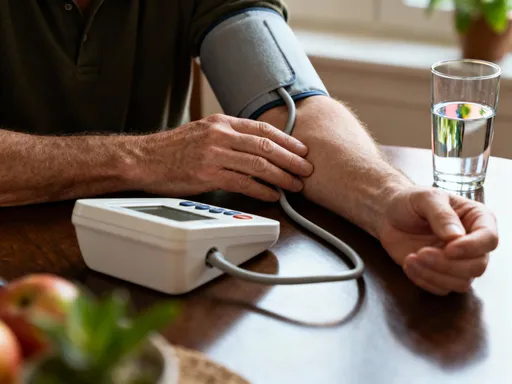
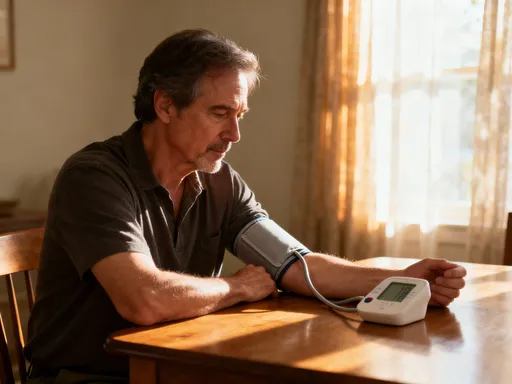
One of the most empowering steps I took was bringing blood pressure monitoring into my home. At first, I relied only on doctor visits, which meant long gaps between readings. But blood pressure fluctuates throughout the day based on stress, activity, food, and even the weather. A single measurement every few months couldn’t give me an accurate picture. Once I started using a home blood pressure monitor, I gained real-time insight into how my choices affected my numbers. This wasn’t about obsession—it was about awareness.
I began checking my blood pressure at the same time each morning, after sitting quietly for five minutes. I recorded the results in a simple notebook, noting anything unusual—a stressful night, a salty meal, or a missed walk. Over time, patterns emerged. I noticed that readings were consistently lower on days when I slept well and higher after emotionally charged events. This feedback loop made my efforts feel more meaningful. Instead of guessing what worked, I could see it. There’s a psychological benefit, too: tracking progress reinforces commitment. When you see improvement, even small, it motivates you to keep going.
I recommend using a validated upper-arm cuff monitor, as wrist devices can be less accurate. The American Heart Association advises choosing a device that has been tested for accuracy and fits properly. Pairing the monitor with a journal or a mobile app makes it easier to spot trends. Some people find weekly reviews helpful—setting aside a few minutes each Sunday to reflect on the past week’s data. This isn’t about perfection; it’s about learning. If readings trend upward, it’s a signal to examine recent habits, not a reason for panic.
At the same time, it’s important not to become overly anxious about numbers. Blood pressure varies naturally, and occasional spikes are normal. The goal of tracking is insight, not stress. I remind myself that I’m collecting data to inform my choices, not to judge myself. If a reading is high, I take a breath, wait a few minutes, and check again. More often than not, it comes down. This practice has taught me patience and self-awareness, turning what could have been a source of anxiety into a tool for empowerment.
The Mind-Heart Connection You Can’t Ignore
One of the most surprising discoveries on this journey was how deeply my emotions influenced my blood pressure. I always thought of hypertension as a physical condition—something related to diet, exercise, and genetics. But chronic stress, anxiety, and emotional tension play a powerful role. When the body perceives stress, it releases hormones like cortisol and adrenaline, which cause the heart to beat faster and blood vessels to constrict. This is a normal, short-term response designed for survival. But when stress is constant—due to work pressure, family responsibilities, or financial worries—this response becomes chronic, keeping blood pressure elevated over time.
Recognizing this connection changed how I approached my health. I began to see that calming the mind was just as important as changing my diet. I started building small moments of pause into my day: three deep breaths before answering a phone call, a five-minute walk in the garden after lunch, or simply closing my eyes and listening to calming music. These aren’t grand gestures, but they help reset my nervous system. Deep, slow breathing activates the parasympathetic nervous system, which counteracts the stress response and promotes relaxation. Over time, this can lead to lower resting heart rate and improved blood pressure control.
I also made a conscious effort to spend time in nature. Research shows that being outdoors, especially in green spaces, can reduce stress hormones and lower blood pressure. Even a short walk in a park or sitting under a tree can have a measurable effect. I limited screen time, particularly before bed, and created tech-free zones in my home. These digital detox moments gave me space to think, reflect, and reconnect with myself. Emotional regulation isn’t about suppressing feelings—it’s about creating space between stimulus and response, so I can choose how to react rather than being hijacked by stress.
The metaphor that resonates with me is this: “Your nervous system is always listening.” It responds not just to physical threats, but to emotional ones—worries about the future, regrets about the past, or tension in relationships. By cultivating calm, I’m not just improving my mental well-being; I’m protecting my heart. This mind-heart connection is not alternative medicine—it’s physiology. When the brain feels safe, the body follows. And when the body isn’t under constant alert, blood pressure has a better chance to normalize.
When Lifestyle Isn’t Enough—Knowing When to Partner with Your Doctor
While I was able to lower my blood pressure through lifestyle changes, I want to be clear: this path isn’t possible or appropriate for everyone. Hypertension is a complex condition influenced by genetics, age, underlying health issues, and other factors. For some individuals, medication is necessary and life-saving. My journey wasn’t about rejecting medical care—it was about maximizing what I could do on my own while staying connected to my healthcare provider.
I continued to see my doctor regularly, sharing my home readings and discussing my progress. This partnership was essential. My doctor monitored my kidney function, cholesterol levels, and overall cardiovascular risk. When my numbers improved, we celebrated—but we also remained cautious. He reminded me that lifestyle changes and medication are not mutually exclusive. In fact, they often work best together. Someone on blood pressure medication can still benefit greatly from healthy eating, exercise, and stress management. These habits may even allow for lower dosages over time, under medical supervision.
The key is honest communication. If you’re trying to manage hypertension without medication, keep your doctor informed. If your numbers don’t improve despite consistent effort, don’t hesitate to discuss other options. There’s no shame in needing medication—just as there’s no shame in wearing glasses to see better. Health is not about willpower or moral superiority; it’s about using all available tools to protect your well-being. Your doctor is not the enemy of natural health—they are a partner in it. Together, you can create a plan that respects your preferences while ensuring your safety.
Building a Life, Not Just Lowering Numbers
Looking back, I realize this journey was never just about blood pressure. It was about reclaiming a sense of agency over my health. The shift didn’t happen overnight, but gradually, as daily choices accumulated into lasting change. I no longer define myself by a diagnosis. Instead, I see myself as someone who prioritizes well-being, who listens to her body, and who makes intentional choices. This identity shift has been more powerful than any single habit.
The benefits have extended far beyond the numbers on the monitor. I have more energy throughout the day. My focus is sharper. I sleep more soundly and wake up feeling refreshed. I’ve noticed that I’m less reactive in stressful situations—more patient, more present. These ripple effects have improved not just my health, but my relationships and overall quality of life. What started as a medical concern has become a foundation for a more balanced, fulfilling way of living.
For anyone beginning this journey, I offer this perspective: health is not a crisis to be managed, but a daily practice to be cultivated. It’s not about perfection, but consistency. It’s not about drastic overhauls, but small, sustainable steps. You don’t have to transform your life in a week. You just have to start—today, with one choice. Maybe it’s a walk around the block. Maybe it’s swapping out a processed snack for a piece of fruit. Maybe it’s taking three deep breaths before responding to a stressful email. These moments matter.
Long-term health isn’t built in a day. It’s built in the quiet, ordinary choices we make when no one is watching. It’s in the commitment to show up for yourself, day after day. You don’t need to be perfect. You just need to be consistent. And if you ever feel discouraged, remember: every step forward is a victory. Your future self is already thanking you.