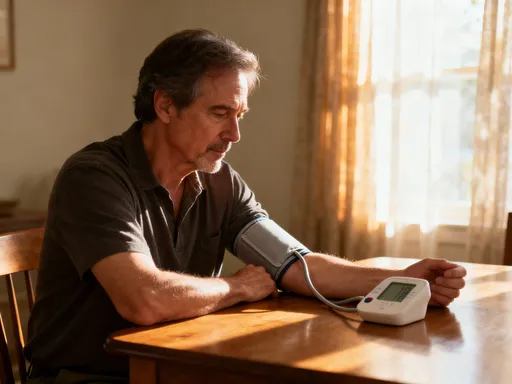
What if the key to aging well isn’t a miracle cream or a trendy diet—but something way more personal? For years, I chased quick fixes, only to realize real change starts with awareness. By tracking my body’s daily signals—from sleep to stress—I uncovered patterns that transformed my energy, skin, and overall vitality. This isn’t about perfection; it’s about paying attention. And honestly, I wish I’d started sooner.
The Wake-Up Call: When I Realized Aging Wasn’t Just Time
It wasn’t one dramatic event that made me pause—it was a series of small, nagging shifts that added up. I used to wake up feeling refreshed after seven hours of sleep. Then, slowly, I needed eight, then nine, and still felt groggy. My skin, once clear and resilient, began to look tired, even after a good night’s rest. I noticed I wasn’t recovering as quickly after a long walk or a busy day. The stairs at work, once effortless, now left me slightly breathless. At first, I blamed it on getting older. That’s just what happens, I told myself. But deep down, I wondered: was aging really something to endure, or could it be something I could influence?
The turning point came during a routine check-up. My doctor reviewed my blood work and said, “Everything’s within normal range.” That should have been reassuring, but it wasn’t. I didn’t feel normal. I felt off—like a car running on slightly misfiring cylinders. That’s when I began to question the idea that health is simply the absence of disease. Maybe wellness wasn’t just about numbers on a chart, but about how I felt day to day. I started to wonder: what if I could catch those subtle shifts earlier? What if I could respond before they became problems?
This curiosity led me to health monitoring—not as a medical intervention, but as a lifestyle practice. I began to see my body not as a machine that inevitably breaks down, but as a dynamic system that responds to choices, habits, and environment. The shift was mental as much as physical. Instead of waiting for symptoms to appear, I started paying attention to signals. Instead of reacting, I began to anticipate. This wasn’t about fear of aging; it was about respect for the process. And that mindset change—seeing myself as an active participant in my health—was the first real step toward feeling younger, not just looking it.
Why Monitoring Matters: The Science Behind the Slow Fade
Aging is often described as the passage of time, but biologically, it’s more accurate to think of it as the accumulation of cellular wear and tear. Two key processes underlie this: oxidative stress and chronic low-grade inflammation. Oxidative stress occurs when free radicals—unstable molecules produced by normal metabolism and environmental factors like pollution or UV exposure—damage cells. Over time, this damage affects DNA, proteins, and cell membranes, contributing to visible signs of aging and increased risk for long-term health issues.
At the same time, inflammation, once a helpful response to injury or infection, can become persistent when the body is constantly under stress. Poor sleep, emotional strain, sedentary habits, and dietary imbalances can all contribute to this low-level, ongoing inflammation. Unlike acute inflammation, which flares up and resolves, chronic inflammation often goes unnoticed—until its effects become hard to ignore. Joint stiffness, brain fog, slower healing, and dull skin can all be signs that the body is under internal strain.
This is where health monitoring becomes powerful. The body sends signals long before clinical symptoms appear. Biomarkers—measurable indicators of biological function—can reveal these early shifts. Heart rate variability (HRV), for example, reflects the balance between the sympathetic (fight-or-flight) and parasympathetic (rest-and-digest) nervous systems. Lower HRV is associated with higher stress levels and reduced resilience. Similarly, sleep quality—measured by duration, continuity, and depth—directly affects hormone regulation, immune function, and cellular repair. By tracking these markers, it’s possible to see patterns that traditional medicine might overlook until they become more serious.
The value isn’t in chasing perfect numbers, but in understanding trends. A single night of poor sleep isn’t alarming. But repeated patterns of disrupted rest, especially when correlated with mood changes or energy dips, suggest a deeper imbalance. Monitoring doesn’t replace medical care; it complements it. It empowers individuals to notice early, ask informed questions, and work with healthcare providers from a place of awareness rather than reaction.
My First Steps: Simple Tools That Made Tracking Real
I didn’t start with a full suite of high-tech devices. In fact, I was skeptical of gadgets at first. I worried they’d feel clinical or overwhelming. But I began with one simple tool: a basic fitness tracker. It measured sleep duration, daily steps, and resting heart rate—three metrics that felt tangible and relevant. At first, I just wore it and observed. I didn’t change anything. I wanted to see what my baseline looked like.
What surprised me was how inconsistent my sleep was. I thought I was getting seven to eight hours, but the tracker showed I was often waking up multiple times without remembering. My resting heart rate varied more than I expected—sometimes in the 60s, other times creeping into the 70s or even 80s, especially after busy or stressful days. Steps were another eye-opener. On workdays, I averaged about 4,000 steps—far below the recommended 7,000 to 10,000. Weekends were better, but not consistently so.
Alongside the tracker, I started journaling. Every morning, I spent two minutes writing down how I felt: energy level (on a scale of 1 to 10), mood, any physical sensations like headaches or bloating, and what I’d eaten the day before. I used a small notebook—nothing fancy. This low-tech method turned out to be just as valuable as the digital data. It helped me connect objective measurements with subjective experience. For example, on days when my resting heart rate was higher, I often rated my energy lower and noted feeling “on edge” even if nothing major had happened.
The combination of wearable data and personal notes created a fuller picture. I realized that tools—whether digital or analog—are only as useful as the consistency behind them. It wasn’t about having the most advanced device; it was about showing up daily, recording honestly, and looking for patterns over time. And the beauty of starting small was that it didn’t feel like a burden. It felt like getting to know myself better.
Patterns Over Perfection: What My Data Actually Revealed
After a few weeks of tracking, I began to see connections I hadn’t noticed before. One of the clearest was the link between poor sleep and food cravings. On nights when my sleep efficiency dropped below 85%—meaning I was awake for more than 15% of the time in bed—I was much more likely to reach for sugary snacks the next afternoon. My journal entries often included phrases like “needed a pick-me-up” or “felt foggy.” It wasn’t willpower that failed me; it was my body responding to fatigue.
Another surprising insight came from heart rate variability. I assumed I was managing stress well—I wasn’t dealing with major crises, after all. But my HRV readings told a different story. On days I rated my stress as “low” in my journal, my HRV was sometimes still suppressed. This taught me that stress isn’t always emotional. It can be physical (like overexertion), environmental (like noise or screen time), or even metabolic (from skipping meals or eating processed foods). My body was registering strain even when my mind didn’t.
One of the most encouraging discoveries was the impact of hydration. I started tracking how many glasses of water I drank each day. When I consistently drank at least six to eight glasses, my skin looked brighter, and I had fewer tension headaches. My sleep also improved slightly. It wasn’t a dramatic transformation, but the consistency of the pattern made it undeniable. Small changes, when repeated, created noticeable benefits. I learned to stop chasing dramatic results and instead focus on sustainable patterns. Perfection wasn’t the goal—awareness and adjustment were.
Building a Routine: Turning Insights into Daily Habits
Tracking is only useful if it leads to action. So I designed a simple daily routine to turn data into decisions. Every morning, before checking my phone or email, I took three minutes for a body check-in. I asked myself: How did I sleep? How’s my energy? Any discomfort? I’d glance at my tracker for resting heart rate and sleep score, then jot down a quick note. This became a grounding ritual—a way to start the day with intention rather than reaction.
In the evening, I did a brief reflection. I didn’t judge myself; I just observed. What habits supported me today? What drained me? Did I move enough? Eat well? Manage stress? I didn’t aim to fix everything at once. Instead, I picked one small adjustment for the next day. Maybe it was taking a 10-minute walk after dinner, drinking an extra glass of water, or turning off screens 30 minutes earlier. These micro-changes, guided by my data, added up over time.
The real power came from feedback loops. For example, when I noticed that late meals disrupted my sleep, I started eating dinner earlier. When I saw that walking after work improved my mood and HRV, I made it a habit. These weren’t arbitrary wellness trends—they were personal responses to my body’s signals. Over time, I stopped relying on external advice and began trusting my own experience. I wasn’t following a one-size-fits-all plan; I was building a lifestyle that fit me.
This approach also helped me avoid burnout. There were days I forgot to track or skipped my walk. Instead of seeing it as failure, I viewed it as data too. How did I feel the next day? Was there a difference? This non-judgmental curiosity kept me engaged without pressure. Health monitoring became less about control and more about collaboration—with my body, my rhythms, and my life.
Beyond the Gadget: The Emotional Side of Self-Tracking
There’s a fine line between awareness and obsession. About six months in, I noticed I was starting to fixate on numbers. If my sleep score was below 80, I’d feel anxious. If my steps were low, I’d push myself to walk even when tired. I was using data to criticize myself, not to care for myself. That’s when I realized: tracking should serve me, not rule me.
I took a step back. I kept journaling but paused the tracker for a week. I focused on how I felt—without numbers. I paid attention to my breath, my posture, my mood. I asked: Do I feel rested? Am I enjoying my day? Can I think clearly? To my surprise, my subjective sense of well-being was often better than the data suggested. That taught me an important lesson: numbers don’t tell the whole story. A slightly elevated heart rate after laughing with friends is different from one caused by stress. A restless night due to a sick child is not the same as chronic insomnia.
I came back to tracking, but with a new rule: data must be balanced with intuition. If the numbers and how I feel align, I trust both. If they don’t, I explore why. Maybe I’m underestimating stress, or maybe I’m overvaluing a metric. The goal isn’t to chase optimal scores, but to live well. Sustainable anti-aging isn’t about perfection; it’s about harmony—between mind and body, data and feeling, effort and ease.
Long-Term Shifts: How This Changed My Relationship with Aging
Two years into this practice, the changes are no longer just physical—they’re philosophical. I don’t measure success by how young I look, but by how strong I feel. I recover faster from colds. I have more mental clarity during the day. I’m less reactive to stress. I sleep more soundly. These aren’t dramatic transformations, but they’ve added up to a more resilient, vibrant life.
What’s changed most is my mindset. I no longer see aging as a decline to fear, but as a process to support. I’ve learned that small, consistent actions—drinking enough water, moving daily, managing stress, sleeping well—have compound effects. They don’t reverse time, but they improve the quality of time. I’ve also become more patient. Health isn’t a sprint; it’s a lifelong journey. There’s no finish line, only ongoing care.
Perhaps the most powerful shift is feeling in charge. I’m not helpless against aging. I have tools, awareness, and agency. I can’t control genetics or time, but I can influence how I age. And that sense of empowerment—of showing up for myself every day—is the real anti-aging secret. It’s not about looking 30 at 50, but about feeling strong, clear, and capable at every age.
For anyone considering this path, my advice is simple: start small. Pick one habit—sleep, movement, hydration, or mood—and track it for two weeks. Use a notebook, an app, or just your memory. Look for patterns. Adjust gently. Be kind to yourself. You don’t need expensive gadgets or perfect discipline. You just need curiosity and consistency. Let your body guide you. Listen early, respond kindly, and build a life that supports you for the long run.
Health monitoring isn’t about fear or chasing youth—it’s about respect. Respect for your body’s signals, your daily choices, and the long journey ahead. By tuning in early and often, you’re not fighting aging; you’re partnering with it. And that, more than any product or promise, is the most powerful anti-aging move you can make. Always remember: when in doubt, consult a healthcare professional—this is about support, not substitution.