Credit cards can feel like a financial tightrope—convenient one moment, terrifying the next. I once juggled multiple cards, barely keeping up with payments and bleeding money on hidden fees. But after a wake-up call, I built a simple, repeatable system to regain control. It wasn’t magic, just discipline and smart structure. This is how I cut costs, avoided debt traps, and made credit work *for* me—not against me. What started as a desperate attempt to stop the financial bleeding turned into a lasting transformation. The journey wasn’t about cutting out credit entirely, but about reshaping my relationship with it. By understanding where I went wrong, designing a system that worked with my life, and using tools to stay on track, I turned chaos into clarity. This is not a get-rich-quick story. It’s a real-life blueprint for anyone who’s ever looked at their statement in disbelief and wondered how it got so out of hand.
The Breaking Point: When Credit Card Chaos Hit Home
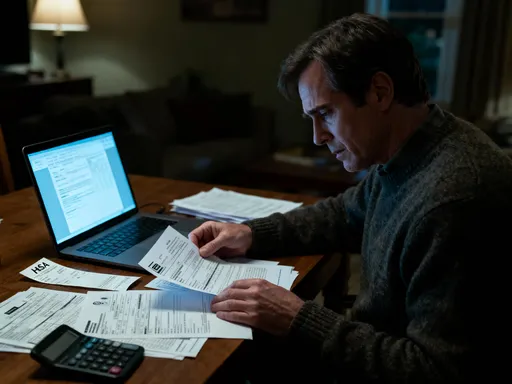
For years, I told myself I had everything under control. I earned a steady income, paid my bills on time, and never missed a credit card payment—technically. But the truth was more complicated. I was only making minimum payments, watching the balances inch higher each month, and using one card to cover the minimum due on another. It wasn’t until I sat down with a financial counselor that I realized the full picture: over $18,000 in revolving debt, an average interest rate of 19 percent, and more than $300 a month going toward interest alone. That moment was a cold splash of reality. I wasn’t managing my money—I was surviving it.
The debt didn’t come from one big purchase or a crisis. It crept in quietly, through everyday choices that didn’t seem significant at the time. A $5 coffee here, a weekend online shopping spree there, a forgotten subscription renewing for the third year. Each small charge felt harmless, but together, they formed a pattern of unconscious spending. I told myself I deserved it after a long day, that I’d pay it off next month, that the rewards points would make up for it. But next month never came. Instead, I kept spending, kept swiping, and kept telling myself the same stories. The emotional toll was just as heavy as the financial one. I felt anxious every time my phone buzzed with a balance alert. I avoided opening my statements. I felt shame when talking about money with my spouse, even though we were both struggling in silence.
What made it worse was the illusion of control. Because I wasn’t missing payments, I believed I was doing fine. But the math told a different story. At my current repayment pace, it would take over 14 years to clear just one card, and I’d pay nearly double the original balance in interest. That was the moment I realized I wasn’t living paycheck to paycheck because I didn’t earn enough—I was living that way because I wasn’t managing what I had. The breaking point wasn’t a single event, but a slow accumulation of stress, guilt, and fear. I knew I had to change, not just my spending, but my entire mindset around credit.
Why Credit Cards Are Both a Tool and a Trap
Credit cards are one of the most powerful financial tools available, but they are also one of the most dangerous when misused. On one hand, they offer convenience, protection against fraud, the ability to build credit history, and even rewards like cash back or travel points. When used responsibly, they can simplify life and even save money. On the other hand, they can quietly enable overspending, lock users into high-interest debt, and create a false sense of financial security. The difference between success and struggle often comes down to awareness and intentionality. Without a clear plan, it’s easy to fall into common traps that drain money and peace of mind.
One of the most deceptive features of credit cards is the minimum payment. It’s designed to keep you just engaged enough to avoid default, but not enough to make real progress. Paying only the minimum can extend debt for years and result in paying thousands in interest. For example, a $5,000 balance at 18 percent interest with a 2 percent minimum payment would take over 27 years to pay off and cost more than $6,000 in interest alone. That’s more than the original purchase. Another hidden danger is introductory rates. Many cards offer 0 percent interest for 12 to 18 months, which sounds ideal. But if the balance isn’t paid off by the time the promotional period ends, the standard rate kicks in—and it’s often much higher than expected. This can turn a short-term benefit into a long-term burden.
Cash advance fees are another costly trap. Withdrawing cash from a credit card typically incurs a fee of 3 to 5 percent of the amount, plus interest that starts accruing immediately—no grace period. Many people don’t realize this and treat their credit card like a debit card, only to be shocked by the charges later. Late payment penalties are equally punishing. A single missed due date can trigger a late fee of $30 or more and may lead to a penalty APR that can exceed 30 percent. These fees don’t just hurt your wallet—they can damage your credit score, making future borrowing more expensive. The key is recognizing that credit cards are not free money. They are loans with real consequences if not managed carefully.
Building a System, Not Just Cutting Costs
Once I understood how I’d gotten into debt, I realized that cutting back on lattes or canceling a streaming service wouldn’t be enough. I needed a system, not just a list of things to stop doing. Budgeting wasn’t new to me—I’d tried spreadsheets, apps, and envelope methods—but they never stuck. The problem wasn’t the tools; it was the approach. I was reacting to overspending instead of preventing it. What changed was shifting from reactive budgeting to proactive credit management. Instead of asking, “Where did I go wrong?” I started asking, “How can I set myself up to succeed?” That mindset shift was crucial.
The foundation of my new system was treating credit cards like planned tools, not emergency crutches. I decided to use them only for specific, pre-approved categories and to pay off the balance in full every month. This meant aligning my card usage with my actual cash flow. I mapped out my monthly income and fixed expenses—rent, utilities, insurance—and identified how much was truly available for discretionary spending. Then, I assigned spending limits to different areas like groceries, dining, and personal care. The goal wasn’t perfection, but consistency. I allowed room for occasional overspending in one category as long as it was balanced by underspending in another. This flexibility prevented the feeling of deprivation that often leads to binge spending.
Another key element was categorizing my spending. I grouped my expenses into needs, wants, and savings goals. Needs included essentials like food, transportation, and medical costs. Wants covered non-essentials like entertainment and dining out. Savings goals were treated as non-negotiable expenses, just like a bill. By assigning every dollar a job, I gained clarity and control. I also set usage rules for each card, such as “no impulse purchases” and “no cash advances.” These rules weren’t restrictions—they were commitments to myself. Over time, these habits became automatic. The system wasn’t about willpower; it was about structure. And structure, I learned, is far more reliable than motivation.
The Four-Card Framework That Changed Everything
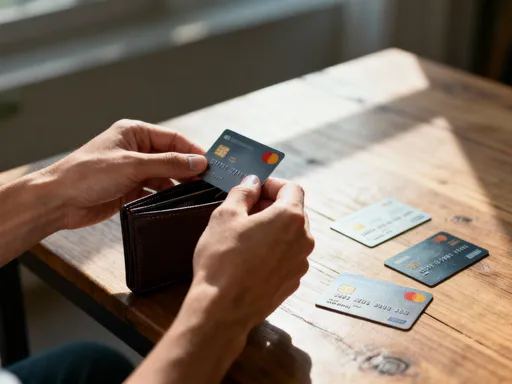
The turning point came when I simplified my credit card strategy using a four-card framework. Instead of using cards interchangeably, I assigned each one a specific role. This wasn’t about having more cards—it was about having clearer purpose. The framework gave me mental boundaries and reduced decision fatigue. I wasn’t just managing money; I was designing a system that made responsible spending the default choice. The four roles I defined were: Essentials, Rewards, Budgeted Spending, and Emergency. Each card had a clear function, and I rarely deviated from the plan.
The first card, the Essentials card, was used only for necessary monthly bills like utilities, internet, and insurance. This card had a low interest rate and no annual fee. By putting these fixed costs on one card, I ensured they were always paid on time and earned rewards without risk. The second card, the Rewards card, was reserved for purchases in high-reward categories like groceries and gas. It had a cash back rate of 3 to 5 percent in those areas. I used it only when I had the funds in my checking account to cover the charge and paid it off immediately. This allowed me to earn rewards without carrying a balance.
The third card, the Budgeted Spending card, was for discretionary purchases like dining out, entertainment, and online shopping. I set a monthly limit based on my discretionary income and treated it like a spending allowance. Once the limit was reached, I stopped using the card until the next month. This created a built-in spending guardrail. The fourth card, the Emergency card, was kept in a drawer and used only for true emergencies—unexpected medical bills, urgent car repairs, or home maintenance. It had a higher credit limit and a slightly higher interest rate, but I only accessed it when absolutely necessary and had a repayment plan ready.
This framework transformed how I thought about credit. Each card had a job, and I wasn’t tempted to use the wrong one for the wrong reason. For example, I wouldn’t use the Rewards card for an impulse buy just because it earned points. I also reduced the number of cards I actively used from six to four, which made tracking easier. Over time, this system increased my awareness of spending patterns and reduced unnecessary swipes. It wasn’t about restriction—it was about intentionality. And that made all the difference.
Automating Control: How Tech Keeps Emotions in Check
One of the biggest challenges in managing credit is the emotional component. Stress, fatigue, or even excitement can lead to impulsive decisions that derail even the best-laid plans. That’s where technology became a game-changer for me. I didn’t rely on memory or willpower—I used digital tools to automate discipline. Payment reminders, spending alerts, and balance trackers helped me stay on course without constant effort. These tools didn’t replace personal responsibility, but they reinforced it by removing guesswork and emotional interference.
I set up automatic payments for the full balance of each card on the due date. This ensured I never missed a payment and avoided late fees. I also enabled low-balance alerts on my checking account so I wouldn’t accidentally overspend. For discretionary purchases, I used spending notifications that alerted me every time a transaction posted. Seeing a $40 dinner charge pop up on my phone reminded me to stay within budget. Some apps even categorized my spending in real time, showing me how close I was to my monthly limit in each category. This immediate feedback loop made it easier to adjust behavior before it became a problem.
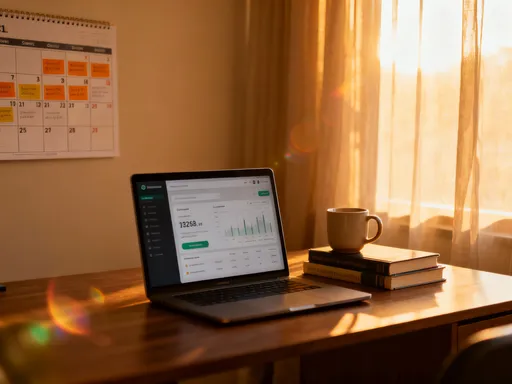
I also used a financial dashboard that pulled data from all my accounts—checking, savings, credit cards, and investments. It gave me a complete picture of my financial health at a glance. Instead of logging into multiple sites, I could see my net worth, cash flow, and credit utilization in one place. This transparency reduced anxiety and helped me make informed decisions. For example, if I was considering a large purchase, I could see how it would affect my overall debt-to-income ratio before swiping. The key was using technology as a support system, not a crutch. I still reviewed my statements monthly, reconciled transactions, and adjusted my budget as needed. Automation handled the routine; I handled the strategy.
There’s a risk of over-relying on apps, especially if they give a false sense of control. I’ve seen people use budgeting tools but still overspend because they ignore the data or disable alerts. Technology works best when paired with accountability. I made it a habit to review my finances every Sunday night—just 20 minutes to check balances, plan for the week, and adjust if needed. This small ritual kept me engaged and in control. Over time, the combination of automation and routine turned good habits into second nature.
Cutting the Hidden Costs You’re Not Seeing
Even with better spending habits, I was still losing money to hidden fees and inefficient card usage. The real cost of a credit card isn’t just the interest on carried balances—it’s the sum of all the small charges that add up over time. I started a credit card audit and discovered several unnecessary costs. One card had a $95 annual fee, but I rarely used its travel benefits. Another charged a 3 percent foreign transaction fee, which hurt during a family trip abroad. I also found that I was paying late fees on a card I forgot to set up auto-pay for. These weren’t massive amounts individually, but together, they totaled over $400 a year—money I could have saved or invested.
I realized that every card in my wallet needed to earn its place. I reviewed each one based on its value: rewards earned, fees paid, interest rates, and usage frequency. Cards that didn’t deliver clear benefits were either downgraded to a no-fee version or canceled. For example, I switched a premium travel card with a high annual fee to a no-fee card with decent cash back. I kept one card with travel perks for business trips but downgraded my spouse’s card to avoid the extra cost. I also consolidated some balances to a card with a lower interest rate, which reduced my monthly interest payments.
Another overlooked cost is the impact of credit utilization on your credit score. Using more than 30 percent of your available credit can lower your score, even if you pay on time. I had one card with a low limit that I used frequently, which pushed my utilization rate above 50 percent. By requesting a credit limit increase and spreading charges across multiple cards, I brought it down to a healthier level. This improved my score and made it easier to qualify for better loan terms in the future. I also stopped closing old accounts immediately, as that can shorten my credit history and hurt my score. Instead, I kept them open with minimal usage.
Now, I do a “credit checkup” every six months. I review all my cards, check for changes in terms, evaluate rewards, and cancel any that no longer serve me. This habit keeps my financial life lean and efficient. Cutting hidden costs isn’t about being cheap—it’s about being intentional. Every dollar saved on fees is a dollar that can work for me instead of against me.
From Damage Control to Long-Term Financial Calm
What started as a crisis response turned into a lasting transformation. Taming my credit cards didn’t just reduce my expenses—it gave me back my peace of mind. I no longer dread opening my statements or feel anxious about the next bill. I’ve paid off over $15,000 in debt in three years and reduced my monthly interest payments from over $300 to less than $30. My credit score has improved by more than 100 points, which has lowered my insurance premiums and made it easier to qualify for a mortgage. But the biggest change isn’t in the numbers—it’s in how I feel about money. I’m no longer reactive. I’m in control.
Responsible credit use has become a foundation for broader financial confidence. Because I manage my cards wisely, I’ve been able to build an emergency fund, increase my retirement contributions, and start saving for long-term goals. I’ve also taught my children about budgeting and delayed gratification by modeling healthy habits. They see me plan purchases, compare prices, and talk openly about money—not with fear, but with purpose. This legacy of financial literacy is something I value deeply.
The journey wasn’t about deprivation. It was about clarity. I still enjoy dining out, traveling, and treating myself—but now it’s intentional, not impulsive. I use credit as a tool to simplify life and earn rewards, not as a way to live beyond my means. The system I built is flexible enough to adapt to life changes, whether it’s a job loss, a medical expense, or a family vacation. It’s not perfect, but it’s sustainable. And that’s what matters.
Looking back, I realize that credit doesn’t have to be the enemy. It can be a quiet ally in building stability, as long as it’s managed with care. The habits I’ve developed—planning, tracking, automating, and reviewing—have given me a sense of calm I never thought possible. Financial peace isn’t about having a lot of money. It’s about knowing where your money goes and making choices that align with your values. For anyone feeling overwhelmed by credit card debt, know this: it’s not too late. You can regain control. You can build a system that works. And you can turn credit from a source of stress into a tool for freedom.