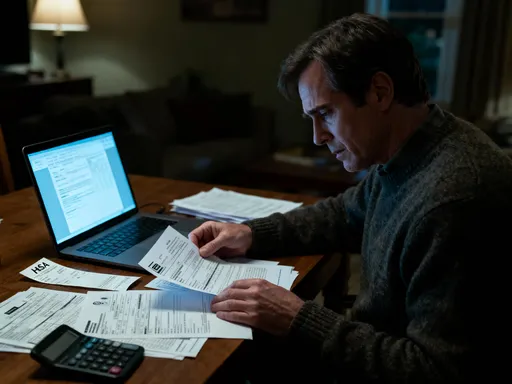
Saving for a home down payment used to feel like running in quicksand — I was moving, but going nowhere. I tried aggressive investing, then played too safe, and kept missing the balance. Over time, I learned it’s not about speed or risk alone — it’s about rhythm. This is how I aligned my investments with real-life goals, stayed consistent, and finally built a down payment that worked for me — without losing sleep. The journey wasn’t perfect, but it was intentional. I stopped chasing market highs and started building a plan that matched my timeline, temperament, and financial reality. What changed wasn’t my income, but my approach — one that prioritized stability, discipline, and smart adjustments over time.
The Down Payment Dilemma: Why Timing Beats Timing the Market
For many aspiring homeowners, the down payment stands as the tallest hurdle between renting and owning. It’s not just a number on a screen — it’s a moving target shaped by rising home prices, personal income changes, and the unpredictable rhythm of life. Most people begin with a savings account, believing safety is the priority. But keeping all funds in a low-yield account over several years can mean losing ground to inflation, especially when average annual returns on conservative savings hover near 0.5% to 1.5%, while inflation runs at 2% to 3% over the long term. The result? A growing balance that actually buys less over time.
On the other end of the spectrum are those who dive into volatile assets, hoping to double their savings in a few years. They might pour money into individual stocks, speculative cryptocurrencies, or high-risk funds, only to panic when markets dip. A 20% drop in value six months before a planned home purchase can derail years of effort. The emotional toll of watching hard-earned savings shrink is real — and often leads to selling at a loss, locking in the very outcome people hoped to avoid.
What most don’t realize is that the key to a successful down payment strategy isn’t market timing — it’s time in the market, guided by a personal rhythm. Research from Vanguard shows that missing just the 10 best days in the stock market over a 20-year period can reduce total returns by nearly half. Yet, those best days often follow or precede the worst ones, making it nearly impossible to predict entry and exit points reliably. Instead of trying to outsmart the market, a better approach is to stay invested through a structured, diversified plan that adjusts as your goal nears.
This mindset shift — from chasing performance to building consistency — changes everything. It allows savers to benefit from compound growth without being wiped out by volatility. For someone saving over five to seven years, a balanced investment rhythm offers a middle path: participating in market gains while protecting against catastrophic losses. The goal isn’t to maximize returns at all costs, but to achieve a reliable, stress-free path to homeownership.
What Is Investment Rhythm — And Why It Changes Everything
Investment rhythm is the personalized pace at which you save and invest toward a specific financial goal. It’s not a one-size-fits-all formula, nor is it about mimicking what others are doing. Instead, it’s a dynamic balance of consistency, adaptability, and alignment with your life circumstances. Think of it like a heartbeat for your finances — steady, responsive, and essential to long-term health. When your investment rhythm is in sync, you’re less likely to make emotional decisions during market swings, and more likely to stay the course even when conditions change.
Consistency is the foundation. It means contributing regularly — whether monthly or biweekly — regardless of market conditions. This practice, known as dollar-cost averaging, allows investors to buy more shares when prices are low and fewer when prices are high, smoothing out volatility over time. For example, someone investing $500 per month into a diversified fund will naturally accumulate more value over a decade than someone who waits for the “perfect moment” to invest a lump sum. Historical data from Fidelity shows that long-term investors who stayed consistent through market cycles outperformed those who tried to time entries and exits, even if their initial timing was poor.
Adaptability is the second pillar. Life rarely follows a straight line. Job changes, family needs, medical expenses, or shifts in the housing market can all impact your timeline. A rigid plan that doesn’t allow for adjustments can lead to frustration or abandonment. But a rhythmic approach builds in flexibility — allowing you to scale contributions up or down, rebalance your portfolio as your goal approaches, or redirect windfalls like tax refunds or bonuses into your down payment fund. This isn’t failure — it’s intelligent course correction.
Finally, alignment ensures your strategy matches your personal risk tolerance and timeline. A 35-year-old planning to buy in three years has different needs than someone five years out. Your rhythm should reflect how much risk you can afford to take — not just emotionally, but financially. If a market downturn would force you to delay your purchase, then your portfolio may be too aggressive. Conversely, if you’re losing value to inflation, you might be too conservative. The right rhythm finds the sweet spot where growth and safety coexist.
Building Your Rhythm: The Balance Between Growth and Safety
When saving for a down payment, your money must grow — but not at the expense of security. The goal is not wealth maximization, but goal achievement with minimal risk of setback. This requires a strategic blend of asset classes that provide both growth potential and capital preservation. For most people with a five- to seven-year horizon, a diversified portfolio of index funds, bonds, and short-term instruments offers the best balance.
In the early years, when time is on your side, a higher allocation to equities makes sense. Broad-market index funds, such as those tracking the S&P 500 or total stock market indices, have historically delivered average annual returns of about 7% to 10% over long periods. These funds offer instant diversification, low fees, and steady growth potential. Allocating 60% to 70% of your down payment fund to such assets in the first few years allows you to benefit from compounding while maintaining a buffer against volatility.
As your home purchase date approaches — typically within two to three years — the rhythm shifts toward safety. This is when you gradually reduce exposure to stocks and increase holdings in fixed-income assets like short-term bond funds, treasury securities, or high-yield savings accounts. The purpose is to protect accumulated gains from market swings that could derail your plans. For instance, shifting from a 70/30 stock-to-bond ratio to 40/60 over a 12- to 18-month period helps lock in gains while still earning modest returns.
This glide path approach — slowly moving from growth to preservation — is commonly used in target-date retirement funds and can be adapted for any time-bound goal. It removes the need for sudden, emotional decisions and ensures your portfolio evolves with your timeline. Additionally, keeping a portion of funds in liquid, low-risk accounts ensures you have immediate access to cash for closing costs, inspections, or unexpected repairs without selling investments at a loss.
Real Moves: How I Adjusted My Strategy Without Starting Over
My own journey wasn’t a straight climb. I started saving with a clear five-year plan, investing $600 a month into a mix of low-cost index funds. For the first two years, the market performed well, and my balance grew steadily. But then, life intervened. I switched jobs, which meant a temporary gap in income. A family member needed financial help, and I had to pause contributions for six months. At the time, it felt like failure — like I’d broken the rhythm entirely.
But instead of giving up, I reassessed. I didn’t abandon the plan — I adapted it. I reduced my monthly contribution to $400 for a year, extended my timeline by nine months, and used a small bonus to catch up later. I also rebalanced my portfolio, shifting slightly more toward bonds as I realized my original stock allocation might be too aggressive given the uncertainty. These weren’t setbacks — they were recalibrations.
Later, when home prices in my area rose faster than expected, I had to adjust again. I considered waiting longer, but instead chose to increase my savings rate during a period of overtime work. I also redirected my tax refund — about $3,200 — directly into my down payment fund. These mid-course corrections kept me on track without requiring a complete overhaul. The key was maintaining the rhythm: regular contributions, periodic reviews, and willingness to adapt.
What I learned is that financial plans are not set in stone. The strength of a good strategy isn’t its rigidity, but its resilience. By treating my investment rhythm as a living system — one that could bend without breaking — I stayed engaged and in control. I didn’t need perfect conditions or perfect timing. I just needed consistency, flexibility, and a clear focus on the goal.
Risk Control: Protecting Your Down Payment from Big Mistakes
Even disciplined savers can fall into traps that erode progress. One of the most common is performance chasing — shifting money into whatever asset is hot at the moment. Whether it’s a trending tech stock, a cryptocurrency surge, or a “can’t-miss” fund, these moves often lead to buying high and selling low. The allure of quick gains can override rational decision-making, especially when social media amplifies hype. But for a time-sensitive goal like a down payment, volatility is the enemy of reliability.
Another costly mistake is ignoring fees. High-expense-ratio funds, advisory fees, or hidden transaction costs can quietly eat away at returns. A fund with a 1.5% annual fee versus one with 0.1% may seem like a small difference, but over five years, it can cost thousands in lost growth. Low-cost index funds and ETFs have made it easier than ever to invest efficiently, yet many still pay more than necessary due to lack of awareness or default options in retirement accounts.
Failing to rebalance is another silent risk. Without periodic adjustments, a portfolio can drift far from its original allocation. For example, if stocks perform well, they may grow from 60% to 80% of your portfolio, exposing you to more risk than intended. Rebalancing once a year — selling some winners and buying underrepresented assets — keeps your risk level in check and reinforces discipline.
Emotional decision-making is perhaps the greatest threat. Fear and greed drive most poor financial choices. A steady investment rhythm acts as a built-in safeguard by automating contributions, limiting exposure to market noise, and providing a clear framework for action. When you have a plan that accounts for ups and downs, you’re less likely to react impulsively. Tools like automatic transfers, investment alerts, and regular check-ins help reduce human error and keep emotions in check.
Tools and Habits That Keep You on Track
Success in building a down payment isn’t just about choosing the right investments — it’s about cultivating the right behaviors. The most effective investors aren’t necessarily the smartest or richest; they’re the most consistent. Automating your savings is one of the simplest yet most powerful habits you can adopt. Setting up a direct transfer from your checking account to your investment account on payday ensures that saving happens before you have a chance to spend. Over time, this “pay yourself first” approach becomes invisible — and indispensable.
Tracking progress is important, but obsession can backfire. Checking your balance daily or reacting to every market fluctuation increases stress and temptation to interfere. Instead, a quarterly review is usually sufficient. During these check-ins, assess your contribution rate, portfolio allocation, and timeline. Ask whether life changes require adjustments. This structured reflection keeps you informed without inviting emotional interference.
Choosing the right platform matters, too. Look for brokerage accounts or robo-advisors that offer low fees, easy access, and goal-based investing options. Many platforms now allow you to create a dedicated “home fund” with automatic rebalancing and educational resources. These tools simplify decision-making and help you stay focused on the long-term picture.
Finally, evaluating financial advice wisely is crucial. With so much information available — from podcasts to influencers to well-meaning friends — it’s easy to feel overwhelmed or misled. Stick to sources that emphasize evidence-based strategies, transparency, and alignment with your goals. Be skeptical of anyone promising guaranteed returns or urging drastic moves. A good advisor doesn’t tell you what to do — they help you understand your options and stay true to your rhythm.
From Savings to Keys: How Rhythm Led to Real Results
After six years and seven months, I reached my down payment goal — not through luck, windfalls, or market-timing genius, but through steady, intentional effort. My final balance was $87,000, built from consistent contributions, smart asset allocation, and timely adjustments. When I handed over the check, I didn’t feel relief from a gamble paying off — I felt confidence from a plan fulfilled.
The real transformation wasn’t just financial — it was mental. I shifted from feeling anxious about money to feeling in control. I stopped obsessing over short-term fluctuations and started trusting the process. That sense of stability has carried over into other areas of my life, from budgeting to emergency planning to long-term goal setting.
More importantly, I learned that financial success isn’t about perfection. It’s about showing up, making small smart choices, and adjusting when needed. The same rhythm that helped me buy a home can be applied to other goals — funding education, saving for renovations, or building a retirement cushion. The principles remain the same: define your goal, build a balanced plan, stay consistent, and adapt with purpose.
For anyone standing where I once did — staring at a distant down payment with no clear path forward — know this: you don’t need to be an expert investor or earn a six-figure salary. You just need a rhythm that works for you. Start where you are, use what you have, and keep moving forward. Over time, small steps in the right direction become a journey you can be proud of. And when you finally turn the key in your front door, you’ll know you earned it — not by chance, but by choice.